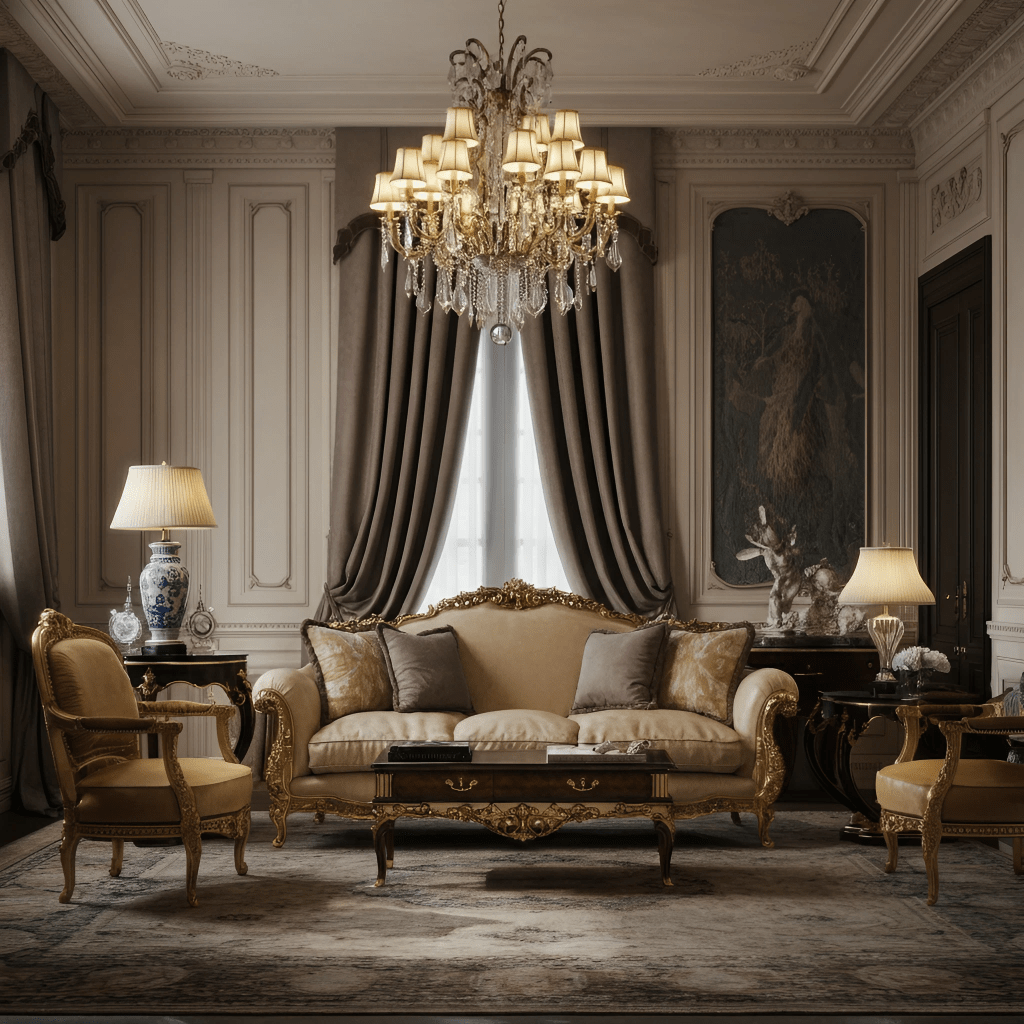
This post is a summation and analysis for the popular interior design book by Frida Ramstedt, “The Interior Design Handbook”. This post references Chapter 1: What Makes You Feel Good.
The goal of interior design is not only to make a space more pleasant to look at, but also more pleasant to be in. That is why interior designers place so much emphasis on functionality. Asking yourself questions like, “What do I want to do in this space?” or “How do I want to feel in this room?” are at the core of an interior design strategy.
In this chapter, Ramstedt highlights her preferences for a neutral-colored room, stating that a more colorful room is more likely to ignite emotions counterintuitive to her goal of reducing stress while in her home. This requirement for a neutral-colored home reflects aesthetic goals as well as the feelings she wishes to have while in that room.
Other examples of spaces making their inhabitants “feel good” could include adding a large couch for people who love to host or placing seating so guests are more encouraged to talk to one another rather than look at screens. Some other questons Ramstedt recommends asking yourself are:
- Do you have a favorite hotel or restaurant with design elements you wish to replicate?
- What is your budget or the amount of money you would like to spend to feel good about your new space?
- Are you attracted to more modern or more classic designs?
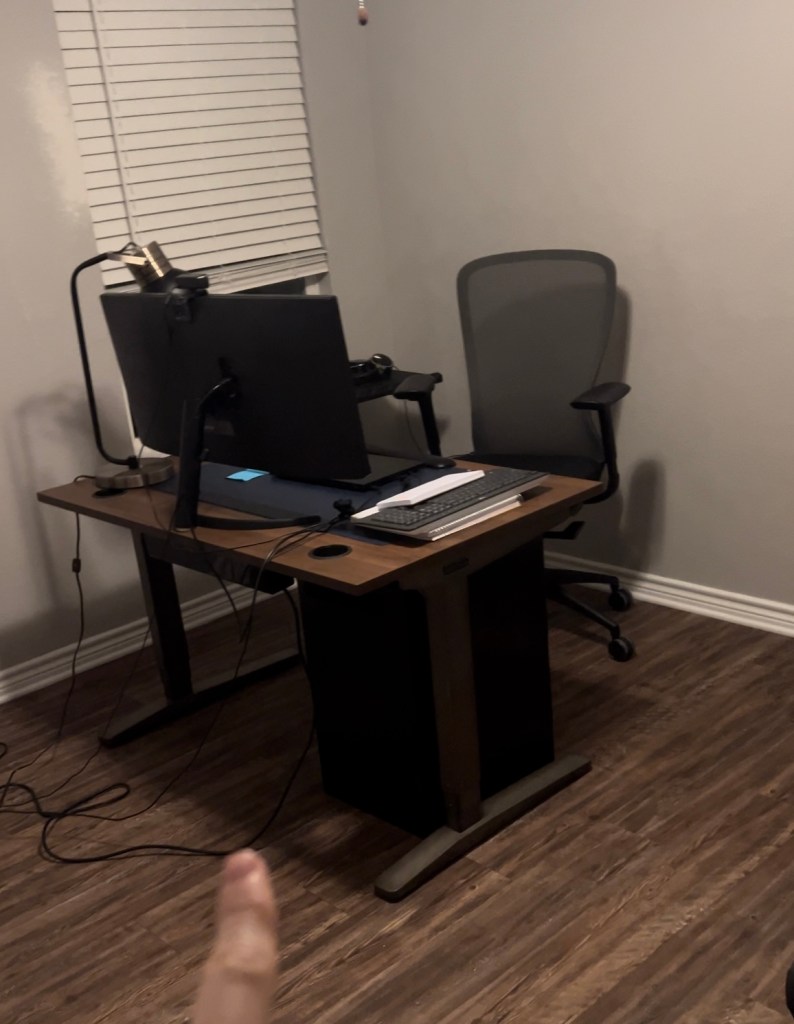

Though only a few pages, this chapter summarizes why interior design is so interesting and important. I have been running out of space for all of my adult life. A big part of it is that I also work from home, so any free space I’ve had in the past has been dedicated to a large desk, work monitor, etc. After my most recent move, my office space is in a room larger than what I need for work, presenting the opportunity to use part of the room as space for a hobby. The concept of using half of a room for one purpose, and the other half of the room for another, is not unordinary, but after moving my work desk, and my sewing desk into the office, I realized that while working on my hobby, thoughts of work creeped into my mind, simply becuase I could see my work station from my sewing table. After a few iterations, I was finally able to set my office area up so that the two sides of the room could hold separate purposes without ozzing into the other’s space.
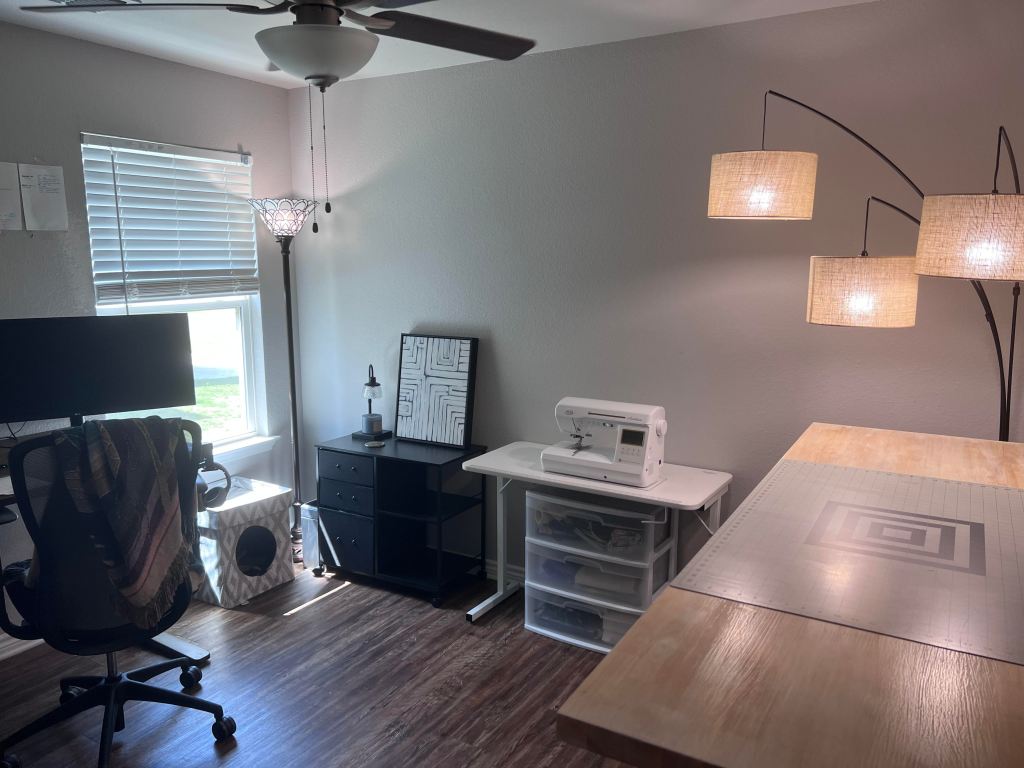
It’s been a year since my office (pictured left) looked this way, and I made many changes to try to make the space work, but being in the room always felt like being at work. As you can see I have work, sewing, and cat items all together. What I needed was for the spaces to feel completely different. The best way I have been able to do this was through the visual outlook of both my work desk, and sewing table. I also moved out the chair (pictured left) and moved all the cat trees together.
I invested in a larger table, giving me the same amount of physical space to sew as to work. I also moved my desk to face the wall, text to a window, so that when I was at my desk, I wasn’t looking at my sewing hobby. I also bought two lamps, as a general improvement to the lighting, but changed out the buld for color-changin bulbs. By chaning the color of the lights I could set a more focused lighting or a more relaxed ambiance. These changes made it possible for me to achieve two different feelings or modes, within the same room.
 Learning Interior Design
Leave a comment